
SeasonalJul 16, 2026·10 min read
Back to School Amazon Deals Worth Buying in 2026
Back-to-school season is loud on Amazon. Here is how we separate real savings on supplies, tech, and dorm gear from inflated sale badges.
Read article#ad As an Amazon Associate, we earn from qualifying purchases.
Learn to recognize inflated reference prices, misleading sale badges, and fake urgency on Amazon before you waste money at checkout.
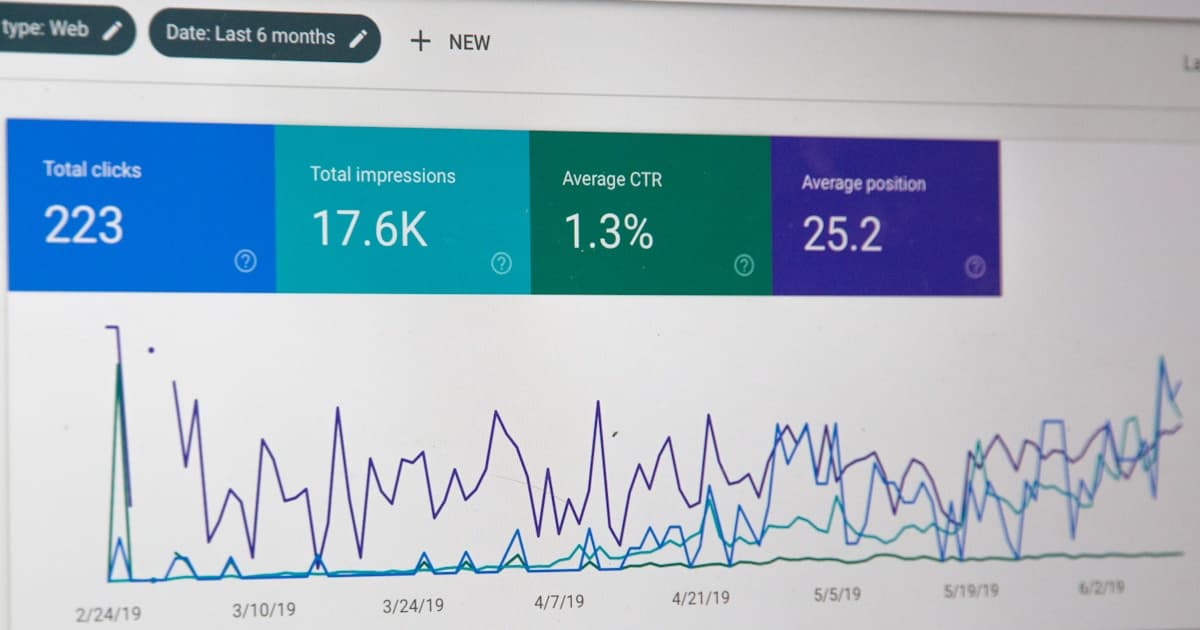
Amazon makes buying feel like winning. A product page turns red, a percentage appears, and your brain gets a small hit of victory before you even decide you need the item. That feeling is not an accident. It is the product of careful interface design, seller pricing tools, and promotional language that blurs the line between a genuine price drop and a number that was never real in the first place.
We built SnipBucks because we got tired of chasing fake discounts ourselves. A deal feed is only useful if the prices behind it hold up to scrutiny. This guide is the longer version of what we check before we publish anything. None of it requires a finance degree. It requires slowing down for sixty seconds and knowing which parts of an Amazon listing lie politely.
A fake discount is not always a literal lie. Sometimes it is legal marketing that behaves like a lie in practice. The listing shows a Was price of $80 and a Now price of $56, implying you saved $24. If the product sat at $55 for most of the last ninety days, you did not save anything. You paid a dollar more than usual while feeling smart. That is the fake discount we are talking about.
Another version is urgency without value. Lightning Deal timers, Only 3 left in stock warnings, and Limited time deal banners appear on products that will be the same price next week. The discount is real in the sense that the number changed. It is fake in the sense that it is not a meaningful departure from normal pricing. Our job as shoppers is to separate theater from opportunity.
Amazon frequently displays a strikethrough list price or Was price next to the current offer. Sellers influence that reference price. It can reflect an MSRP that nobody charged, a brief spike last Tuesday, or a legitimate historical average. Amazon has tightened rules over the years, but inflated reference pricing still shows up, especially on third-party heavy listings and seasonal categories.
We never calculate savings from the Was price alone. We ask what the product cost recently in everyday conditions. If you do not have a tool handy, scroll reviews sorted by recent and search for price complaints. Shoppers love mentioning they bought the same item cheaper last month. It is messy crowdsourced data, but sometimes it is the wake-up call you need.
One of the oldest tricks is raising the price briefly, then launching a sale back to the old normal. The listing shows 30% off because the algorithm compares against the spike, not against the stable price you would have paid in April. This pattern shows up around Prime Day, Black Friday, and random Tuesday promotions alike. Price history exposes it instantly. Without history, you are shopping a snapshot someone staged for you.
Humans love percentages because they feel objective. Forty percent off sounds better than save four dollars even when four dollars is the truth and forty percent is fantasy. Amazon's UI leans into that bias with bold discount callouts on search results and product pages. The percentage is calculated from reference pricing you cannot see in full on mobile without digging.
We train ourselves to ignore the percentage until we know the dollar price we are willing to pay. Set a max price when you add something to a wishlist, not when you are already at checkout with a timer ticking. If the current offer is $47 and your max was $45, the size of the badge does not matter. You failed your own rule, not the market.
Amazon sometimes shows language like lowest price in 30 days under a deal badge. That claim is more useful than a random Was price, but it still deserves skepticism. Thirty days is a short window. A seller can inflate for two weeks, drop for a day, and earn the badge while still costing more than the six-month average.
We treat thirty-day claims as a yellow light, not a green one. Good signal when you already wanted the product and the price fits your budget. Weak signal when you are discovering the product because the badge screamed at you. Extend the window in your head. Would you still feel good about the purchase if the claim said lowest price in 90 days and you knew that was false?
Urgency is the discount's best friend. Amazon uses countdown clocks on Lightning Deals, low-stock nudges on popular items, and cart messages about price increases if you wait. Some urgency is real. Warehouses do run low. Lightning Deals do end. Much urgency is generated from thresholds that reset quietly when you are not watching.
A timer tells you when an offer ends, not whether the offer is good. We see shoppers buy at minute fifty-nine of a Lightning Deal that was overpriced at minute one. The clock created commitment. Slow down. If the deal were truly exceptional, it would still be exceptional with two minutes of research. If it is not, you just saved money by missing the deadline.
Only a few left can be accurate on a constrained SKU. It can also be a conversion nudge on a product with healthy inventory at another fulfillment path. Check if other sellers or conditions list the same item. Check back six hours later. If the warning keeps recycling, it is marketing breath, not a supply crisis.
SnipBucks tip
We only flag a deal when the current price beats a longer historical baseline, not just when Amazon paints the page red. Use that standard on your own purchases and half the fake discounts disappear before you reach checkout.
Clip coupons are great when they stack cleanly on a fair base price. They are fake discount fuel when sellers raise the list price before issuing the coupon. You clip ten percent off and still pay more than last month. Read the pre-coupon price first. Then apply the coupon mentally. Then compare to your tracked baseline.
Some coupons apply only to the first Subscribe and Save shipment or exclude the variant you want. The green coupon badge is an invitation to read fine print, not permission to skip math. We have seen coupons that made a worse deal look better than the one-time purchase sitting right below it.
Frequently bought together and complete the look modules suggest you are one click from a smart bundle. Sometimes the bundle is fine. Sometimes one item is discounted to lure you into full-price companions. Check each component's standalone price. Unbundle mentally before you celebrate savings.
Multi-pack listings are another fuzz zone. A two-pack price compared against a single-unit Was price can exaggerate per-unit savings. Divide before you buy. We almost overpaid for batteries until we noticed the deal assumed nobody could do third-grade division.
Not every fake discount originates with Amazon retail. Third-party sellers compete for the buy box with prices that bounce daily. A seller might list high, drop to win the box, then creep upward after collecting reviews. The discount you see is relative to yesterday's competing offer, not relative to value.
Check seller name and fulfillment method. A suspiciously cheap offer from a new seller with FBM shipping might be a bait listing or counterfeit risk, not a deal. A modest discount from Amazon.com as seller hits different. We pay attention to who ships, who refunds, and whether the warranty still applies.
A glowing average rating does not prove a discount is real. It proves previous buyers mostly liked the product. Separate product quality from price quality. A five-star blender can still be a bad deal at today's price. Read recent one-star and two-star reviews anyway. Fake discount periods sometimes cluster with review complaints about price drops after purchase.
Watch for review spikes that coincide with promotional pushes. Not every spike is fraud, but heavy Vine or incentivized review history makes us more cautious about trusting hype over numbers. The price either holds up or it does not. Reviews answer a different question.
Fake discounts are not uniform. They cluster where emotions run high and comparison shopping is painful. Toys during the holidays, fitness gear every January, and dorm gear every August all see reference price games. Electronics during major events see spike-and-drop. Consumables see coupon theater layered on Subscribe and Save.
Model year transitions expose fake discounts. Last year's soundbar looks like a steal at forty percent off when the new revision is listing at MSRP. Sometimes that is a genuine clearance. Sometimes the old model was overpriced for months and forty percent off still loses to Warehouse open-box. Check launch dates and replacement rumors before you celebrate.
Holiday toy pricing is a mood board of urgency. If you only compare prices in November, everything looks like a gift from Santa. Compare to October or last January clearance. The fake discount dies quickly when your baseline is not also holiday-inflated.
Small appliances love Was pricing because MSRP is high and street pricing always drifted lower. A toaster oven that never sold for $149 does not become a deal at $99 just because $149 appears with a strikethrough. Home categories reward shoppers who track a specific ASIN for a few weeks before buying.
Most impulse fake discount purchases happen on phones. The app emphasizes price, badge, and buy button. Historical context, alternate sellers, and full coupon rules sit behind extra taps. If a deal feels exciting on mobile, we open the desktop site or slow down on additional taps before checkout. Not because desktop is magic, but because friction is a feature when it stops a bad buy.
Turn off one-click ordering during sale seasons if you tend to regret fast buys. Adding a confirmation step saved us more than any browser extension because it inserts a breath between urgency and payment.
You do not need a wall of browser extensions to beat fake discounts. You need a repeatable habit. Ours looks boring and works anyway.
The habit matters more than the tool. Tools just make the habit faster so you actually do it when you are tired at 10pm.
Sometimes you pay a fair price that is falsely labeled as a huge discount. That is not a crisis if the dollars fit your budget and you need the item now. The problem is believing you got a steal and buying three extras you did not plan for. Fake discounts become expensive when they change your behavior, not when they describe the price imperfectly.
We call this the good enough real price inside fake marketing. You needed new sheets. The sheets cost $38. Your target was $40. The page screamed fifty percent off fiction. You still made a fine purchase if the sheets are quality you wanted. Smile about the product, ignore the badge, move on.
Walking away is free. Explaining a bad purchase to your household is not.
Prime makes shipping friction disappear, which makes fake discounts more dangerous because the last brake pad is gone. Free next-day delivery turns a maybe deal into an impulse yes. We still use Prime. We just do not let shipping speed count as savings unless the item was already a verified good price.
Prime-exclusive sales add another layer. Members see extra badges that non-members do not. That can be a real perk or another shade of red paint. Apply the same history check. Prime status does not rewrite math.
Fake discounts are a household problem when multiple people share an account. One person researches. Another buys during lunch because a banner popped up. We keep a shared note with max prices for upcoming purchases. It sounds corporate for a family Amazon account. It also prevented duplicate Air Fryer buys at fake forty percent off.
Kids old enough to shop need the same lesson. A Roblox gift card sale is still a dollars question. Teach them to ask what did this cost last month before they ask can I buy it. Early habit beats lecture later.
Amazon has faced regulatory pressure in multiple countries about reference pricing and deal claims. You will see more lowest-price-in-window language and fewer completely absurd Was prices than a decade ago. Progress is real and incomplete. Sellers adapt. Interfaces adapt. Shoppers still need personal standards because the marketplace is too large for perfect policing.
Do not wait for the platform to protect your wallet. Platforms optimize conversion. You optimize lifetime spending. Those goals overlap sometimes. They conflict often.
Read this aloud if you have to. Is this the exact SKU I researched? Does the price beat my written target? Does history support this as unusual, not normal? Would I buy at this dollar amount if the badge said 5% off? If any answer is no, close the tab.
We use that script on purchases over fifty dollars and on any buy driven by a timer. It catches fake discounts right before they become real orders. The embarrassment of talking to your screen is smaller than the embarrassment of opening a box you overpaid for.
Subscribe and Save labels can make a mediocre one-time price look brilliant when you assume the first shipment defines the forever price. Sellers know shoppers anchor on the first box. We read the subscription terms, skip when the first order is a loss leader, and set a reminder to review shipment two before we celebrate. A fake discount spread across six months is still fake, just slower.
Five percent back on a category purchase feels like a discount, but it is a rebate with rules, caps, and statement timing. We still use rewards cards when the math works. We do not treat five percent back as permission to ignore a twenty dollar fake markup on the list price. Rewards are a small rebate on a decision you should already have made on dollars alone.
Amazon rarely price-matches competitors in the way brick stores sometimes do. That means you cannot use a fake Amazon discount and expect Amazon to fix it because another site is cheaper. You must catch the lie before checkout. Occasional post-purchase price drop refunds exist in limited forms, but they are not a strategy. Do not buy bad math hoping customer service saves you later.
We keep a short list of products and sellers that burned us with spike-and-drop pricing. Not for grudges. For speed. When a familiar bad actor lights up red again, we skip research entirely and move on. Your list might include a brand that always inflates before Prime Day or a category where coupons never beat warehouse club pricing. Fake discounts repeat because they work on new shoppers every week. You do not have to be new to the pattern every time.
Alexa reorder shortcuts and one-tap buy again buttons skip the research step entirely. That is convenient for paper towels. It is dangerous for products whose prices bounce weekly. We disabled voice purchasing for non-consumables and turned off one-click during sale months. A fake discount cannot hook you if checkout requires opening the product page and seeing the red badge for what it is.
Genuine deals show up every day on Amazon. They feel quieter. You recognize the product, check history, notice the price is actually at the low end, and buy without adrenaline. Fake discounts buzz. Real discounts calm. If your heart rate spiked because of colors and clocks, suspect theater first.
When SnipBucks publishes a drop, it is because the quiet checks passed. The price moved in a way that matters on that ASIN. That is the standard we want you to use everywhere else too.
Fake Amazon discounts survive because they sell feelings faster than facts. Was prices, percentage badges, timers, and stock warnings are not evil by default. They are tools sellers and platforms use to convert attention into orders. Your defense is a dollar target, a history check, and willingness to walk away when the story does not match the math.
We still shop Amazon constantly. We clip real coupons, catch real Lightning Deals, and celebrate real clearance. We just stopped giving badges credit for work only numbers can do. Run the checks, buy the real wins, ignore the red paint. Your future self at the credit card statement will notice the difference even if today's product page swore you saved forty percent.
Updated July 11, 2026 · Affiliate disclosure
Back-to-school season is loud on Amazon. Here is how we separate real savings on supplies, tech, and dorm gear from inflated sale badges.
Read article
Pet supplies are perfect for recurring delivery if you shop carefully. Here is when Subscribe and Save wins, and when a one-time deal is smarter.
Read article
Smart plugs and bulbs go on sale constantly. Cameras and hubs are a different story. Here is how we decide which smart home deals are actually worth it.
Read article